Festival journal 11 films
Notes from the 64th New York Film Festival
Eleven films, from the warmth of Hamaguchi and Leigh to the unruly worlds of Guadagnino, Herzog, and Sachs.
Reading note: These capsules discuss premises and character arcs, with no detailed ending spoilers.
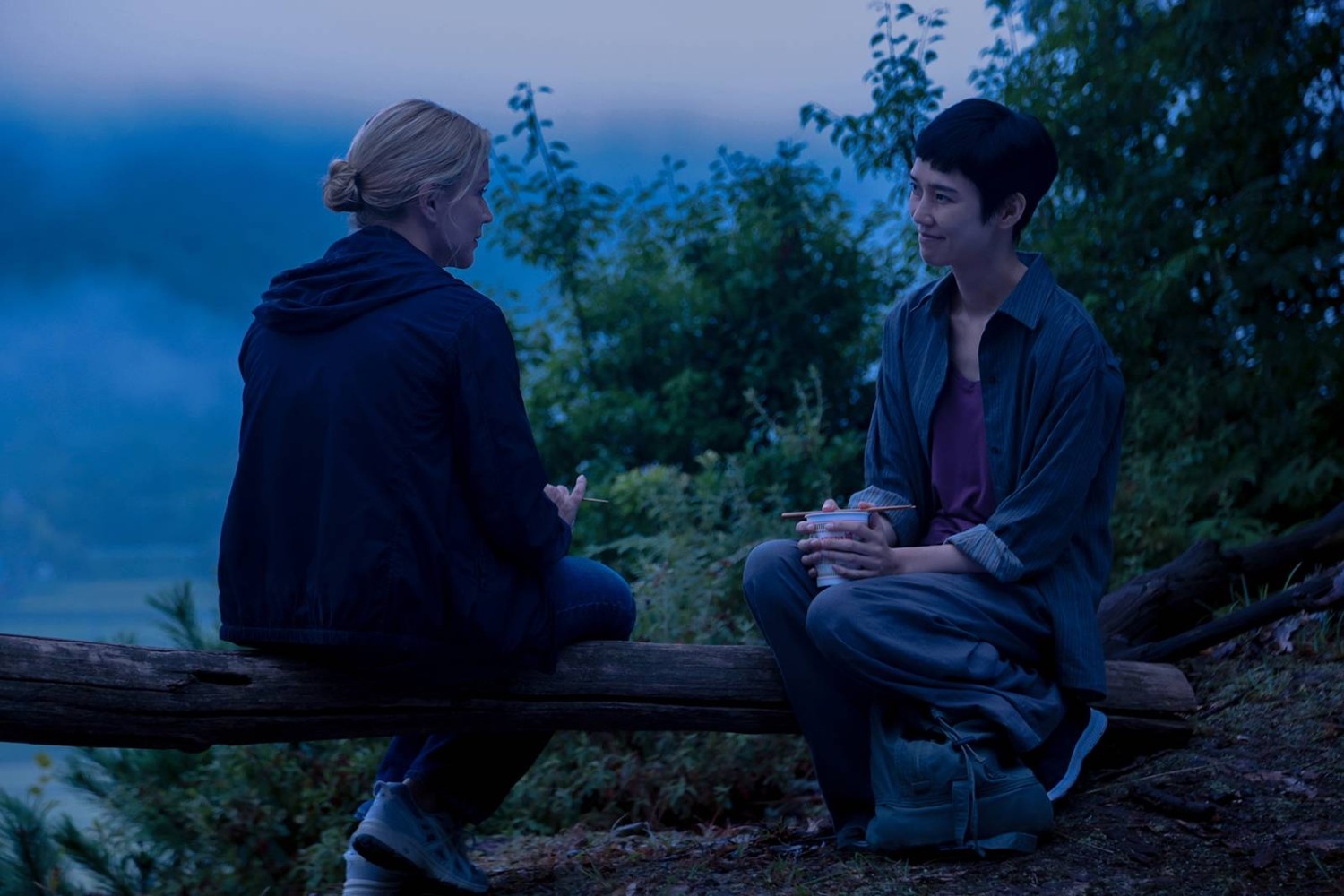
Looking back over the eleven films I saw at this year’s New York Film Festival, I keep returning to the people looking after one another. Sometimes that meant the patient attention of Hamaguchi and Leigh; sometimes it meant a father learning to make room for a son, or the people around a dying performer trying to respond to a life that refuses to become orderly. That was only part of my festival, which also made room for Luca Guadagnino’s strange tech drama, Werner Herzog’s synchronized sisters, and several films I admired more readily than I loved. Here is what stayed with me, including a few impressions that changed after I left the theater.
Ryûsuke Hamaguchi
All of a Sudden
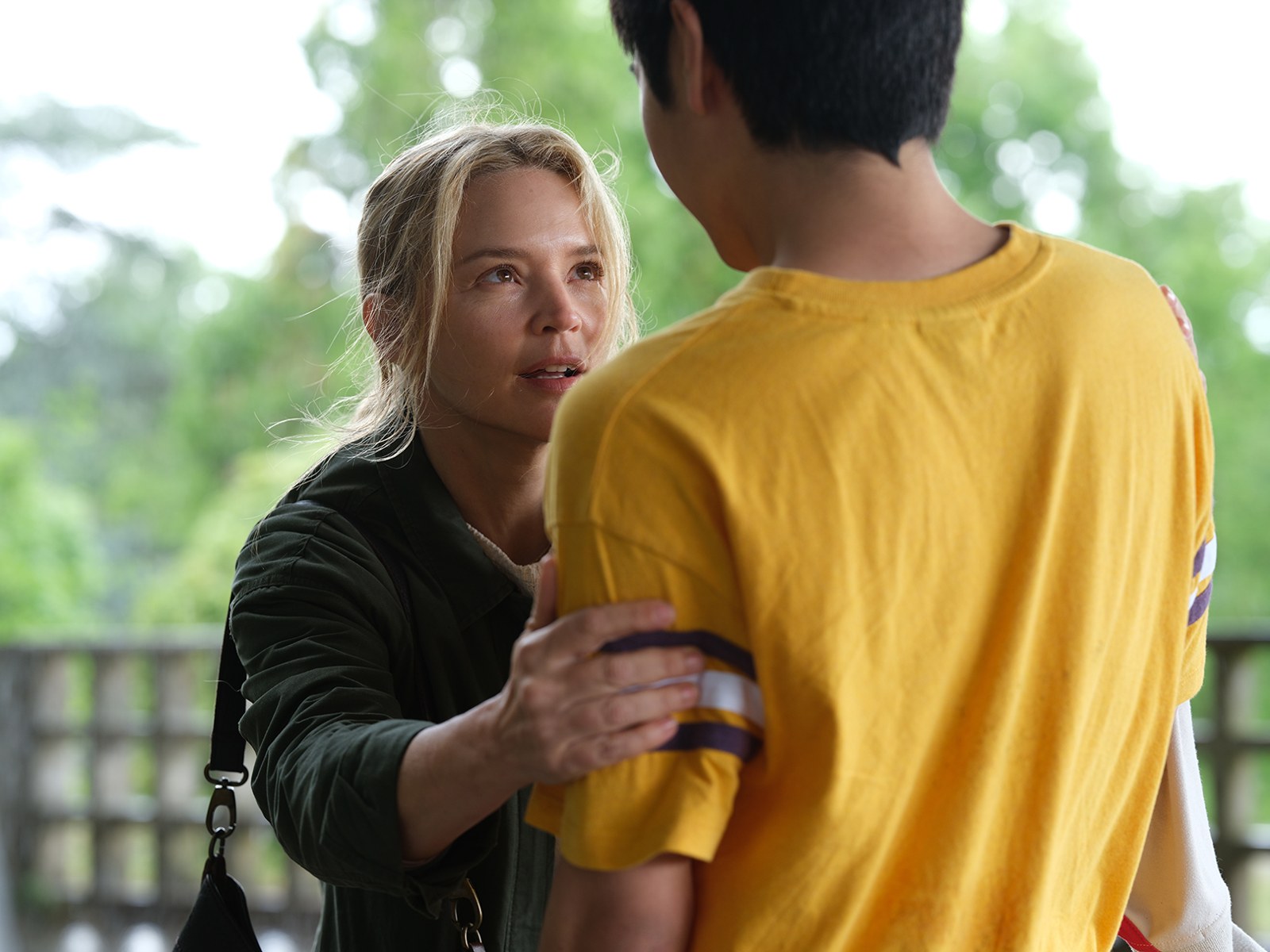
Calling a film about a humane approach to elder care “deeply human” might sound obvious, but I do not know how else to describe what Hamaguchi achieves here. Virginie Efira plays Marie-Lou, the director of a Paris nursing home, whose friendship with Mari, a theater director played by Tao Okamoto, becomes the film’s emotional center. In a world that can feel relentlessly cynical, it was refreshing to sit with a movie this curious about life, death, aging, and connection.
Efira and Okamoto have an immediate warmth and ease together. You more or less understand where the story is headed, but the destination matters less than the time they get: conversations, small gestures, the pleasure of being present with another person while you can. Hamaguchi gives those encounters room to develop without making their significance feel prepackaged. At 196 minutes, this was one of the longest films I saw at the festival, and I never felt the runtime. I was invested almost immediately and stayed there. The generosity of its attention made the length feel like something I was being given.
Mike Leigh
Tender Loving Care
My screening of Tender Loving Care was interrupted about ten or fifteen minutes in when someone in the audience collapsed. People rushed to help, and the film stopped so the person could be brought safely out of the theater. I hope they are all right. When the screening resumed, I could not stop thinking about that immediate instinct to look after someone in need. Care—who provides it, who needs it, how difficult it can be to accept—is everywhere in Leigh’s film.
There was another, gentler peculiarity to the screening: Ronald Bronstein, the filmmaker behind Frownland, was sitting next to me and my mom. I resisted telling him how much that film means to me, although we briefly bonded over our shared love of Leigh during the interruption. It became a very particular setting in which to encounter a movie I loved this much.
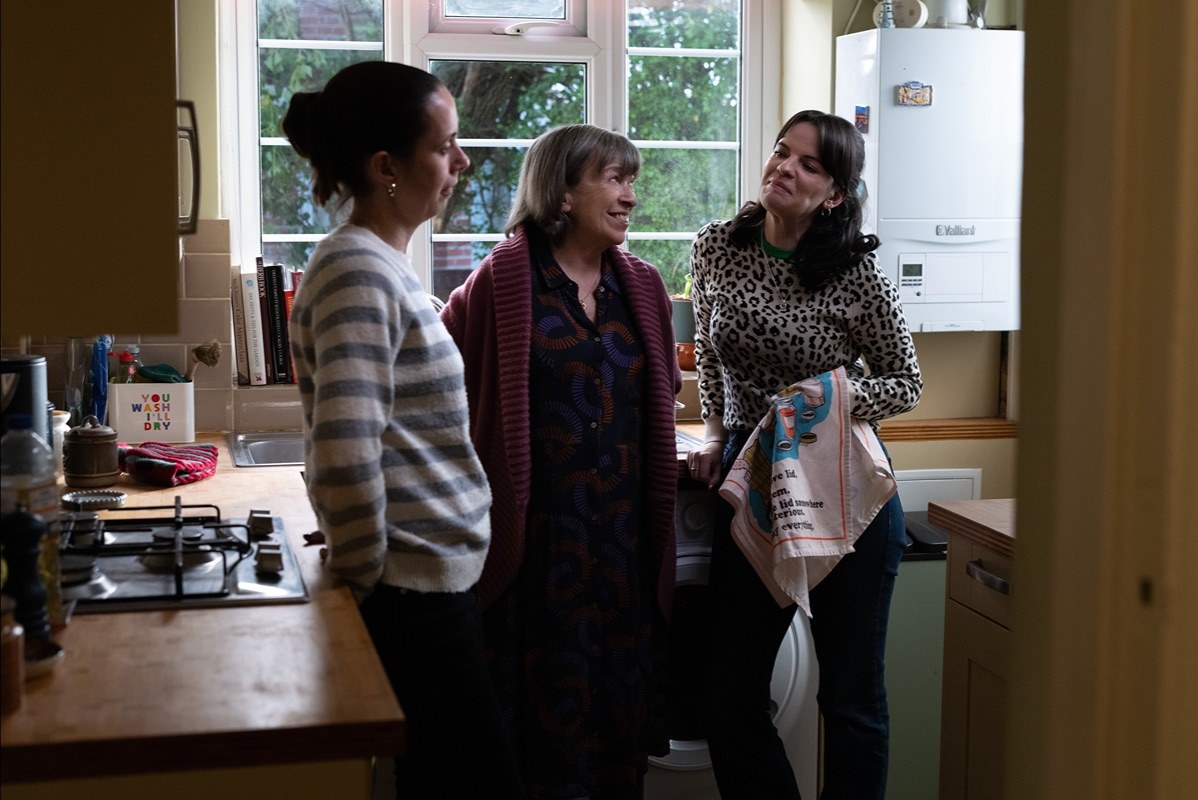
At its center are Amy, a child protection worker played by Kate O’Flynn, and her friend Rosie, played by Alice Bailey Johnson. Their chemistry makes years of friendship feel present from the start. Leigh moves between their work caring for others and their personal lives until the distinction almost disappears. They can be patient, exhausted, selfish, generous, and funny, sometimes in the same scene. Paul Jesson’s portrayal of the beginning of mental and physical decline in old age devastated me. Having lost my grandfather a little over a year ago, I found the small changes in his character’s behavior and independence painfully familiar. I would nominate Jesson for an Oscar without hesitation.
If this does become Leigh’s final film, I can hardly imagine a more fitting one. His curiosity about ordinary people remains undiminished, and the film’s tenderness never makes the work of caring for someone look easy. I left thinking about how much we need one another, especially when we can no longer manage on our own.
Lee Chang-dong
Possible Love
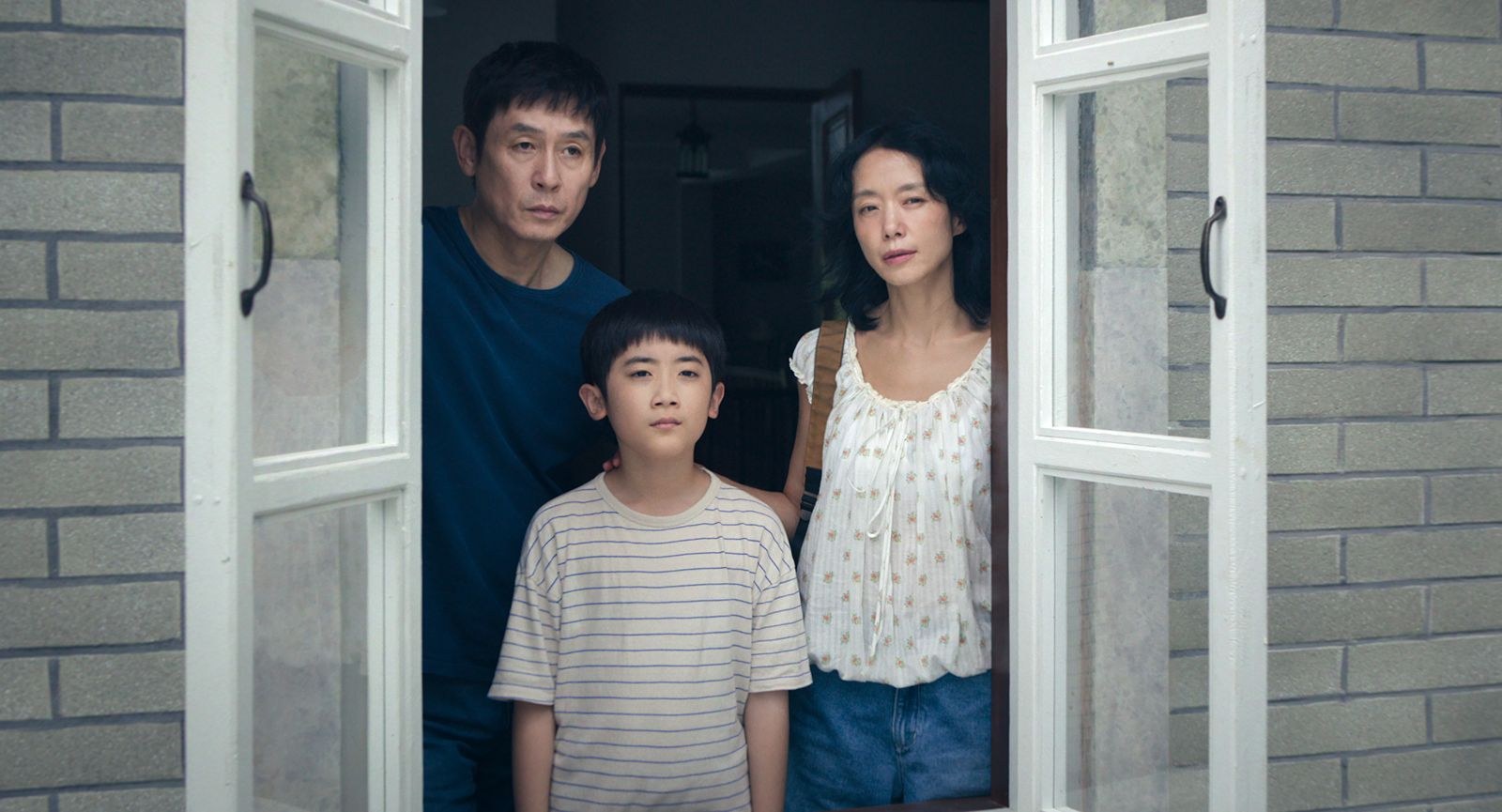
Lee Chang-dong takes what could sound like a familiar premise—two couples on opposite sides of a class divide—and makes the encounter extraordinarily thorny. Ho-seok, a factory worker played by Sul Kyung-gu, has already been treated as disposable by his employer when the well-off documentary filmmaker Ye-ji decides to turn people like him into the subject of her next film. Her interest raises a question the movie refuses to settle: does documenting another person’s suffering help them, or simply find another use for it?
What makes Ye-ji interesting is that I think she probably believes she is doing something good. Her concern need not be fraudulent for her to benefit from turning someone else’s life into art. As the couples become entangled, Lee keeps that discomfort alive without settling for the more obvious romantic or sexual provocations the setup might invite. The relationships reveal the participants to themselves and to us, often in ways they cannot comfortably acknowledge. The performances are excellent across the board, with Sul especially remarkable. One of my strongest festival experiences: a film about class, labor, desire, and the possibility that empathy and exploitation can exist at exactly the same time.
Luca Guadagnino
Artificial
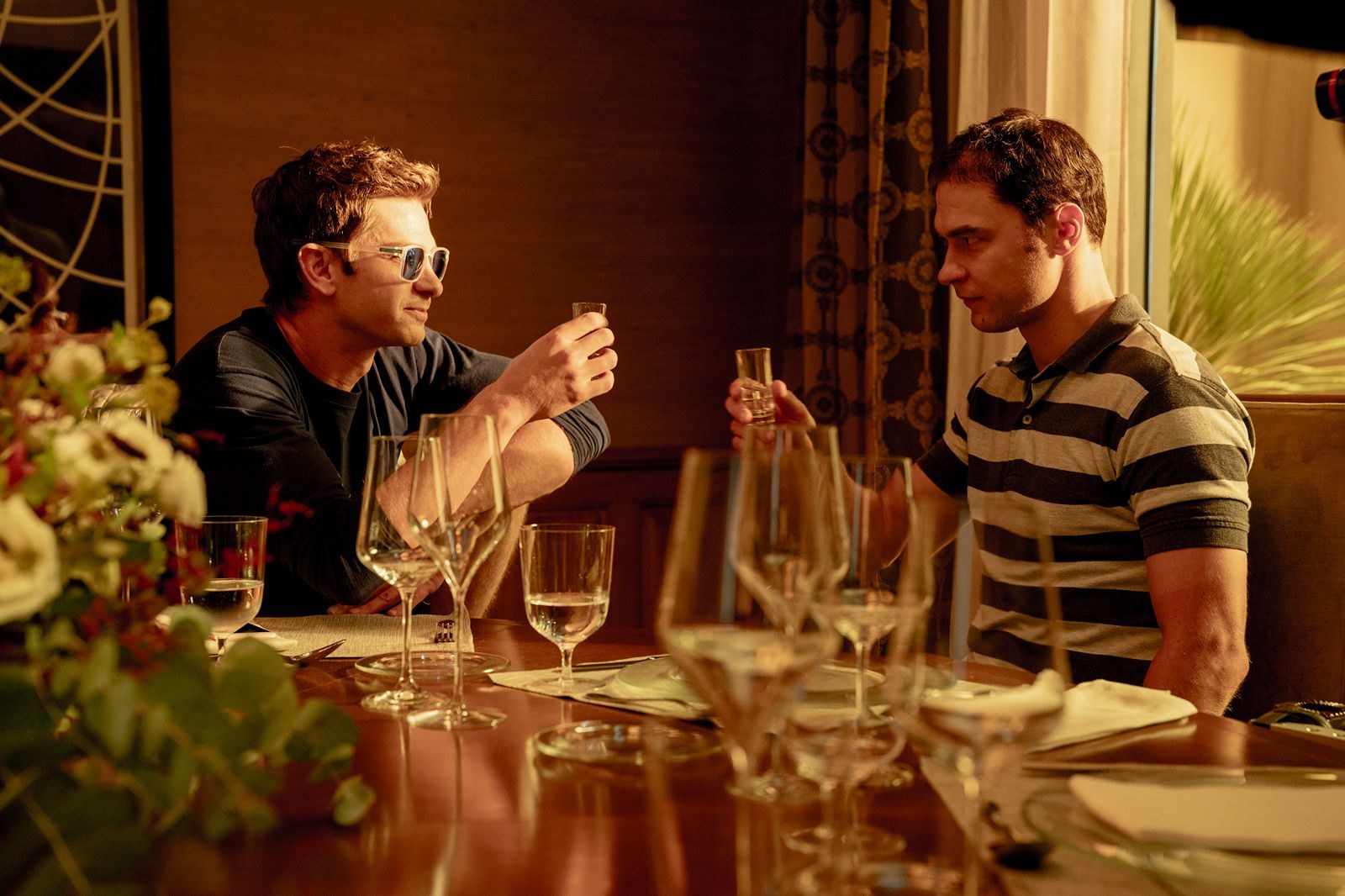
“What if Luca Guadagnino made a movie about the origins of OpenAI?” still sounds like an unlikely proposition. I am glad the answer is this strange. Artificial is camp, funny, exciting, and constantly operating at a slightly deranged frequency. Andrew Garfield plays Sam Altman with a mixture of charm, calculation, insecurity, and oddball energy that eats up the screen. I was skeptical about Ike Barinholtz as Elon Musk, a casting choice that could easily have produced an extended sketch, but he finds the absurdity without leaving us with only a caricature.
Part of me wonders whether this story is being filmed too soon. Its consequences are still unfolding; a version made five or ten years from now could understand the shape of it very differently. That uncertainty hangs over the movie, even when Guadagnino is having fun. I suspect some viewers will want something darker and more openly apocalyptic. I appreciated his resistance to the two-hour “technology is going to kill us all” lecture I could already imagine another filmmaker making. The danger remains in the frame, but so do the personalities, the ridiculousness, and the mess. I am still a little amazed this movie exists.
Noah Segan
The Only Living Pickpocket in New York
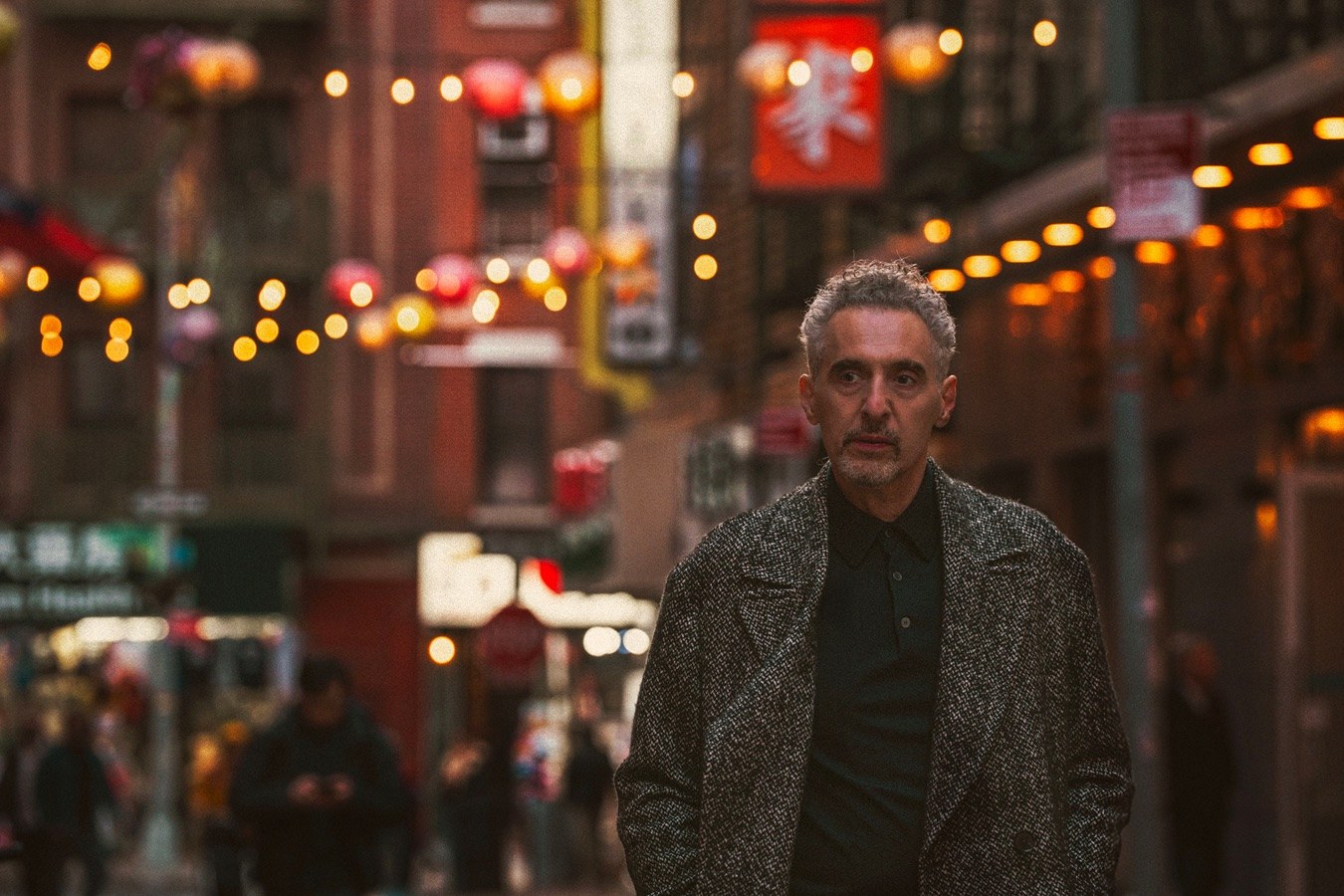
The opening, set to LCD Soundsystem’s “New York, I Love You But You’re Bringing Me Down,” had me immediately. Unfortunately, the rest of Noah Segan’s film never quite lived up to that introduction. John Turturro plays Harry, an aging pickpocket whose city and way of making a living are passing him by. There is affection for New York here, and I liked the sense of a man discovering that the life he has built cannot last forever. I just wanted the filmmaking around that idea to have more life of its own.
The staging is mostly functional, and scenes rarely accumulate much tension or emotional weight. Turturro is excellent, particularly opposite Giancarlo Esposito. His scene with Tatiana Maslany is strong too, although the actors supply a depth the film has not entirely earned. Some of the surrounding performances are shakier: Will Price’s attempts at intimidation did not work for me, even allowing for the possibility that the awkwardness is deliberate. The movie has a setting and a central performer capable of carrying something more distinctive. Too often, I found myself waiting for its visual language or rhythm to meet them.
Andrew Haigh
A Long Winter
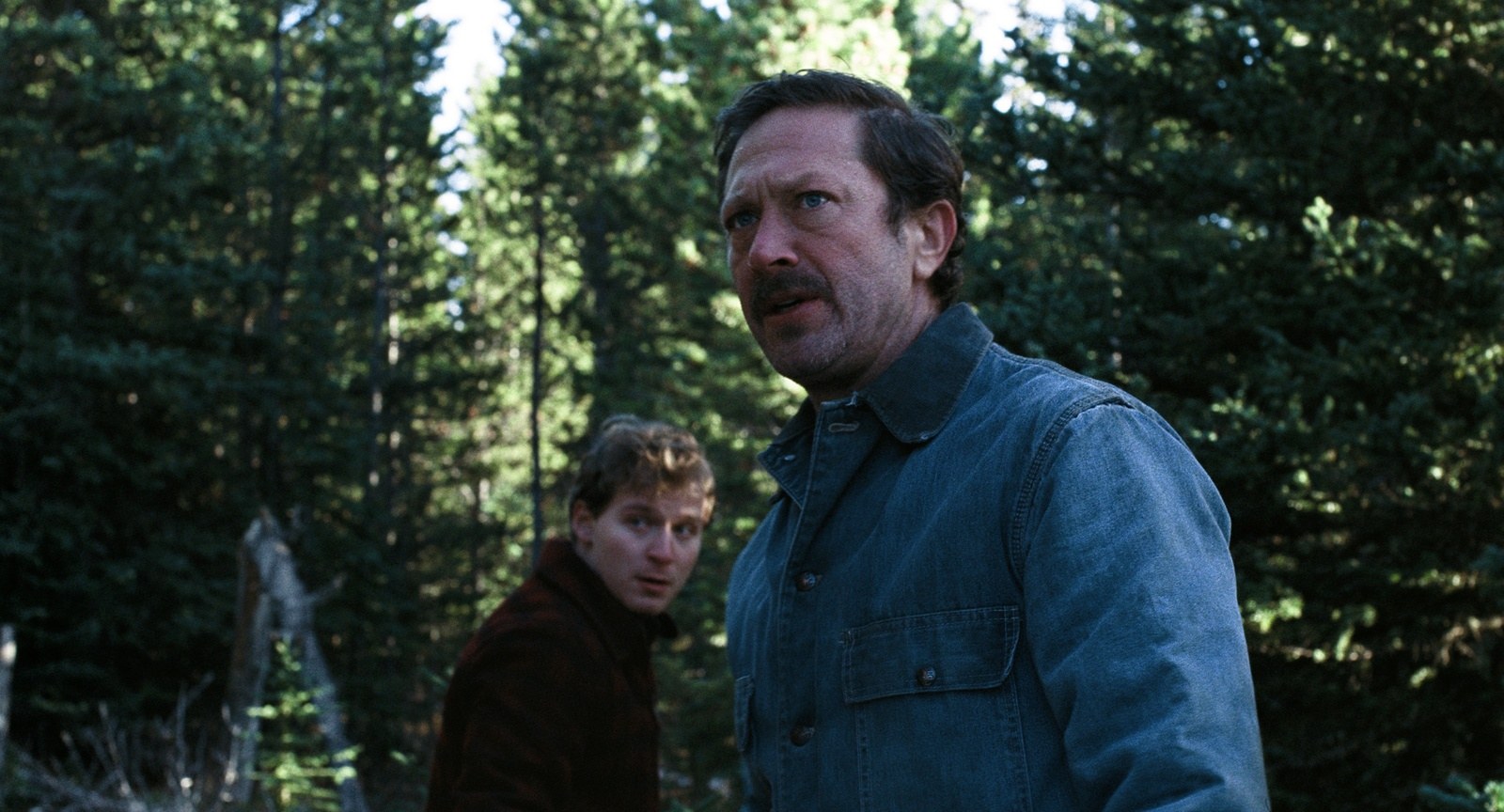
Andrew Haigh is one of my guys, which made this disappointment sting a little more. Fred Hechinger plays Mikey, a young man searching with his father for his mother after she disappears into a frozen landscape. The first half held me through its isolation, family tension, and the sheer scale of that search. Somewhere in the second half, though, the ideas stopped building into an experience I could feel.
I was not asking for a tidy resolution. I did want the grief, masculinity, Mikey’s relationship with his father, and his emerging sexuality to become more emotionally substantial together. Instead, the movie seemed to circle them. The queer element was particularly surprising from a director who has handled desire with such specificity elsewhere: here it felt secondary, almost an afterthought, rather than fully woven into Mikey’s emotional life. The cinematography is gorgeous, and the performances, especially Ebon Moss-Bachrach’s as the father, are strong. Those qualities kept me engaged in individual moments. What surprised me was how little of the whole remained with me afterward.
Werner Herzog
Bucking Fastard
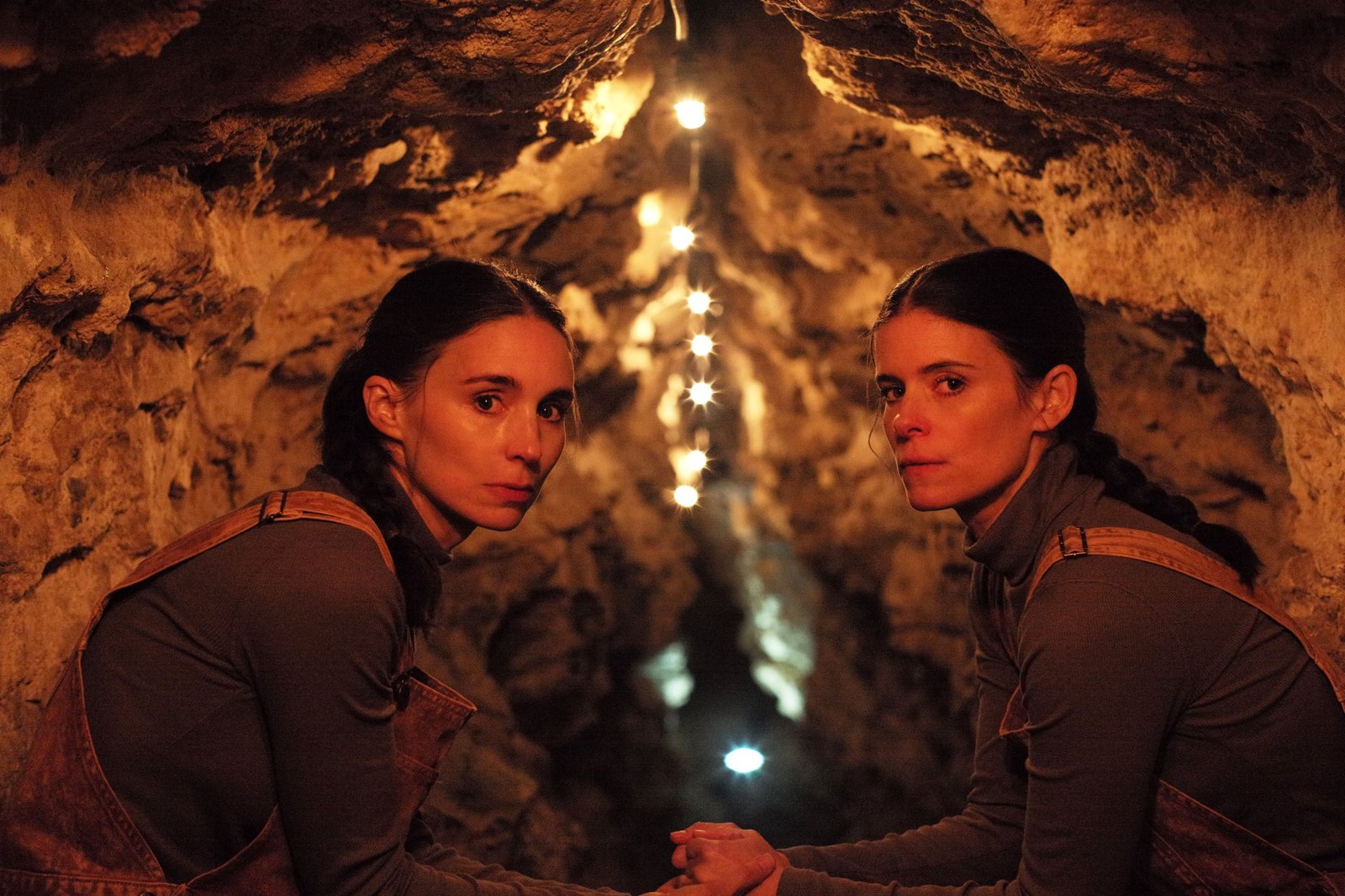
Kate and Rooney Mara give something close to one shared performance as Jean and Joan, sisters who speak and move in precise unison. It is an unusual feat: after a while, I stopped watching the coordination as a trick and simply accepted that these two people operate on their own wavelength. Their commitment is the main pleasure of a film I found charming, funny, and a little overextended.
Herzog gives their world a real visual personality. The camera glides alongside and around the sisters, finding new frames as they move; ordinary city spaces give way to enormous cavernous environments. The filmmaking participates in their strangeness, making it feel active and alive. My reservation is that once the sisters’ rhythms and the movie’s sense of humor are established, stretches begin repeating what we already understand. It starts to meander, and I wanted a trim. Still, the Maras are doing something special, and several of the camera movements gave me the pleasure of feeling a filmmaker discover another way to look at a pair of people.
Tony Gilroy
Behemoth!
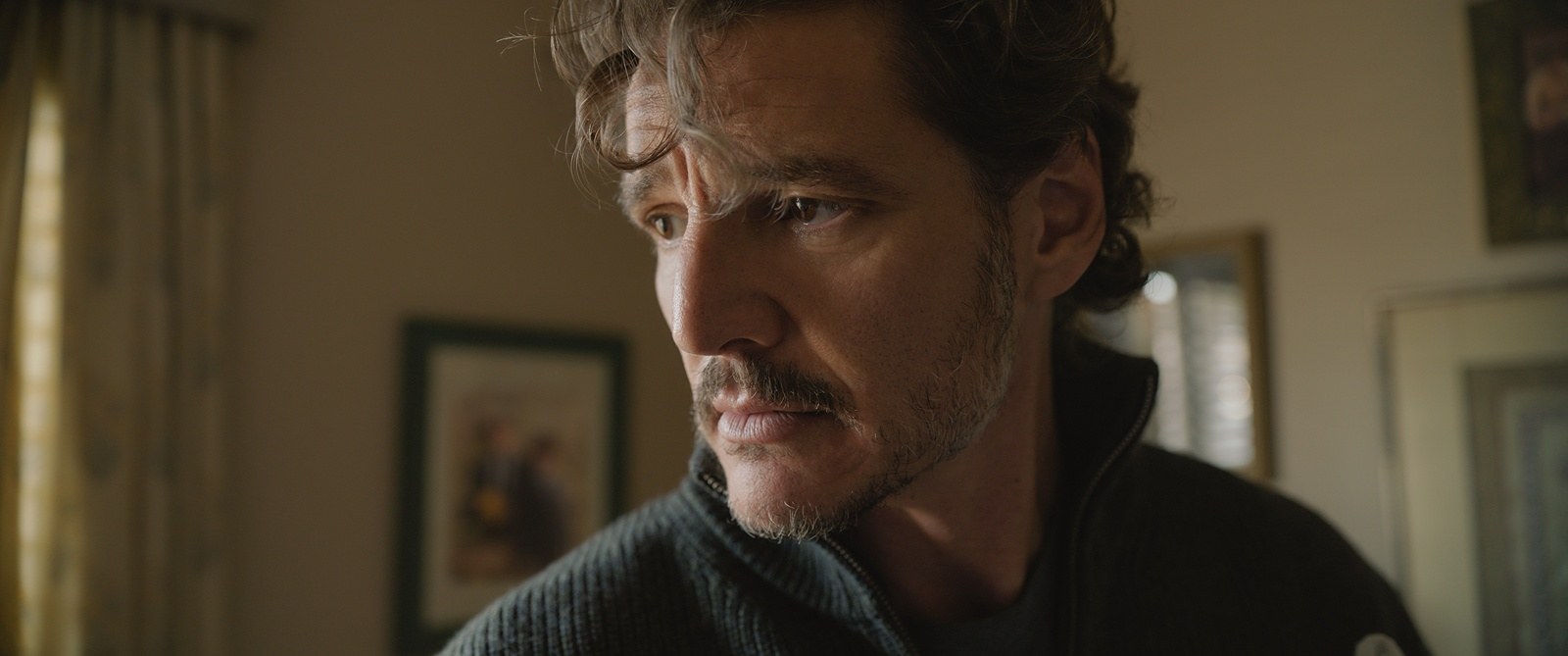
I liked enough of Behemoth! to wish it moved me more. Pedro Pascal is excellent as Alex, a cellist trying to put his life back together—possibly his best work to date. Olivia Wilde commands every scene she has, and Erik Griffin delivers a surprisingly strong dramatic turn from a comic I have loved since Workaholics. The performances repeatedly drew me in, even as the film itself kept me at a distance.
I admired the device of music Alex records with an orchestra carrying over into the movie’s own score. At its best, the transition lets his work become the sound of his life; elsewhere, I could feel the film pressing the idea too hard. That unevenness extends to a narrative that seems oddly compressed, almost like three hours cut down to two. Characters and relationships suggest more importance than their screen time allows, while the central conflict becomes less surprising as it reveals itself. The young Alex’s Johnny Carson footage looks distractingly amateurish, and a late montage of scenes we have already watched felt unnecessary. There is plenty of good work here. I may simply not be much of a Tony Gilroy guy: I can identify the strengths more easily than I can feel the whole come alive.
Carlos Reygadas
Heil Jupiter!
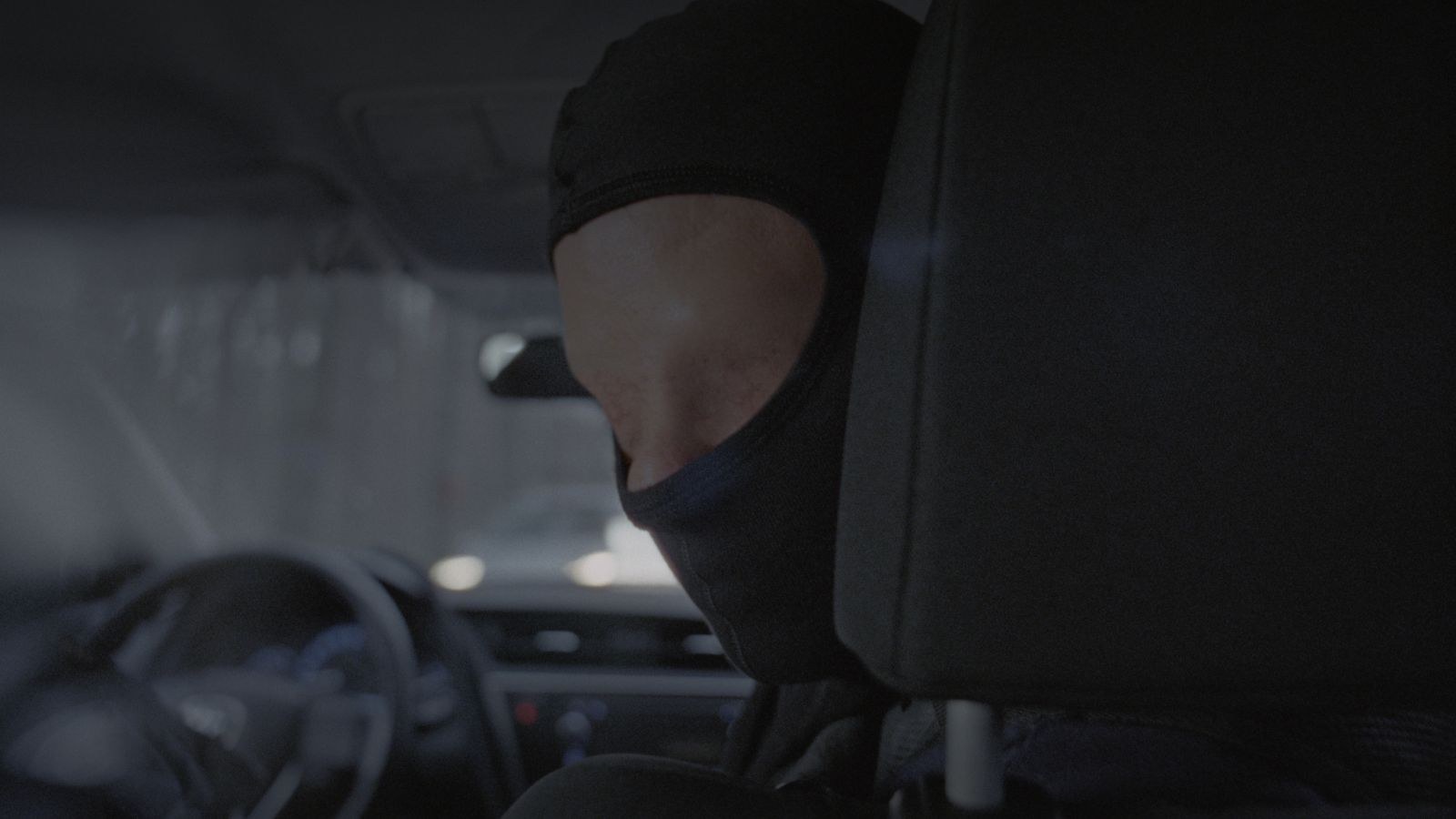
I could not always tell you exactly what Heil Jupiter! was doing, but I knew it was doing something to me. Carlos Reygadas sets two couples against a coastal world of shifting realities and surveillance, then pushes the experience well beyond an easily followed narrative. I lost the throughline more than once. When I could grasp what he was reaching for, the ideas felt fascinating, transgressive, and uncomfortable; when I could not, the images sometimes reached me anyway.
Several sequences have the unsettling persistence of a bad dream. The film’s visual movement is as strange as its narrative logic, and some of that imagery will stay in my head for a long time. I also found it too long. I wanted a tighter shape and a clearer thread, while recognizing that those requests might amount to asking Reygadas to make another film. My response is further complicated by the publicly reported harassment allegations against him, which I do not have a neat way to resolve through criticism. The film left an effect on me. My admiration for its craft and ambition coexists with considerable uncertainty about the experience.
Jordan Firstman
Club Kid
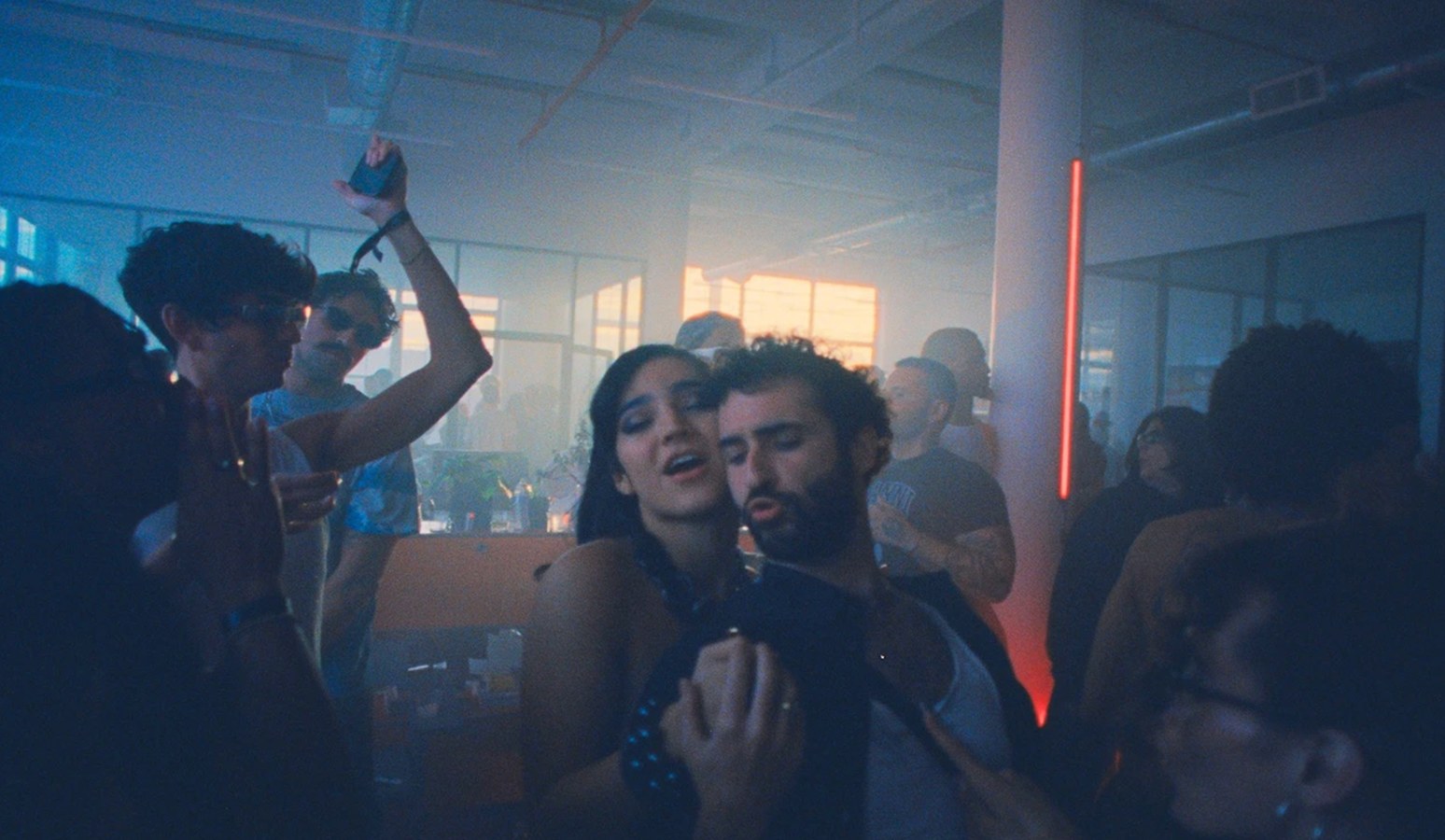
I walked out of Club Kid feeling very warmly toward it. Sitting with it complicated that response, although the central relationship still works for me. Jordan Firstman, who also writes and directs, plays Peter, a messy, self-involved New York nightlife fixture who discovers he has a British son, Arlo. Firstman and Reggie Absolom have lovely chemistry, and I do not know that I have seen quite this father-son dynamic before. The film never treats Peter’s queerness or the life he has built as something he must reject to become a good parent. Arlo gives him a responsibility he has never had, and you gradually see him want to be better for someone else.
The jokes land, the pace is lively, and Firstman is especially good as a performer. But the back half increasingly depends on developments that feel required by the screenplay rather than generated by the people. Even the premise left me with a practical question: how exactly did Arlo get into America and make his way to Peter? The Diego Calva romantic thread initially struck me as wish fulfillment—“All right, Jordan, we get it, you can pull Diego Calva”—though it eventually grew on me. My affection has survived the reservations. I just feel the bumps more clearly now than I did leaving the theater.
Ira Sachs
The Man I Love
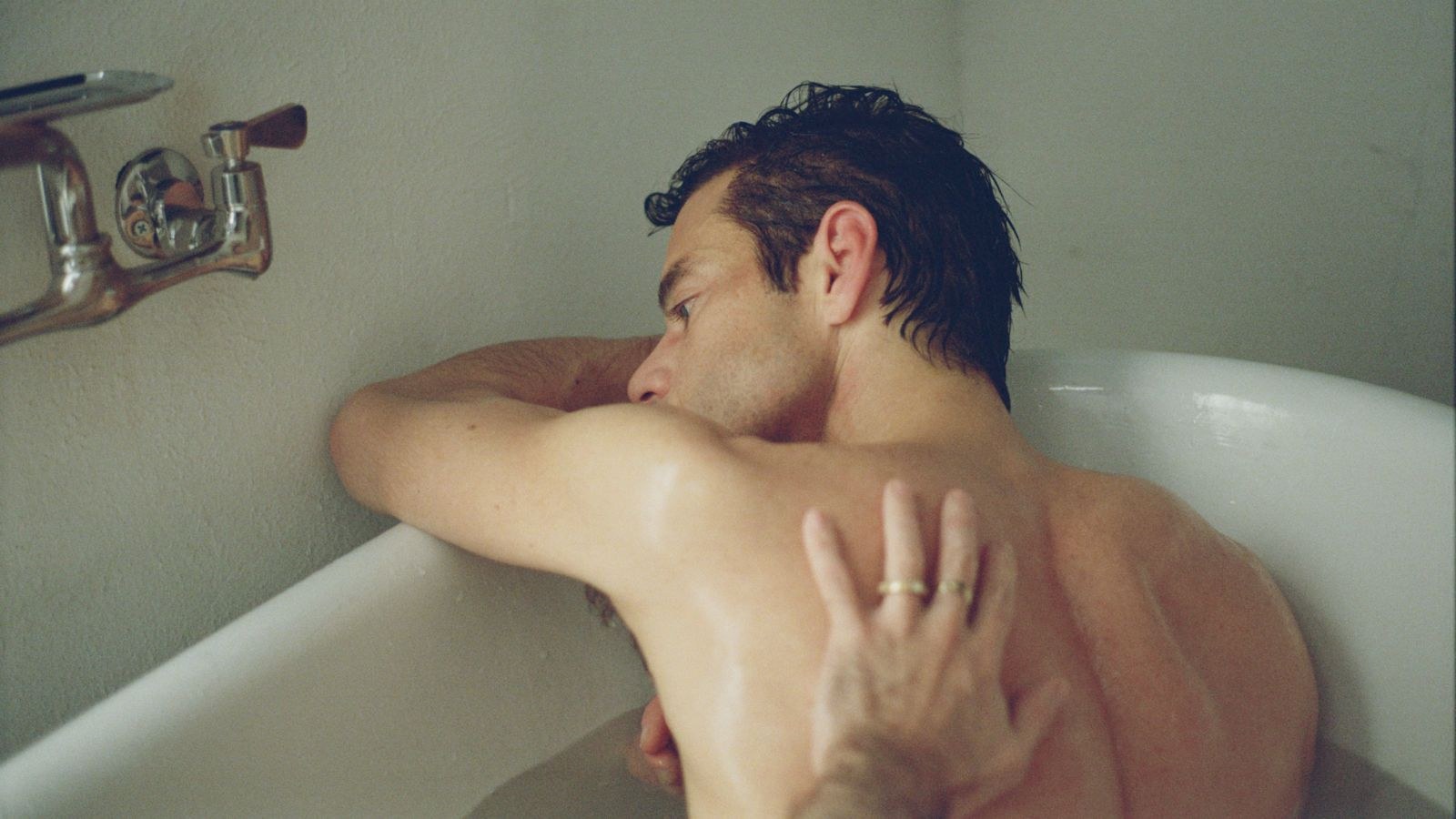
My final film at NYFF was one I liked a great deal. Ira Sachs understands how attraction and difficulty can inhabit the same queer person. He allows his leads to be selfish, fascinating, desirable, and unflattering company, without smoothing them into reassuring representatives for an audience. Rami Malek is fantastic as Jimmy George, a cabaret performer living with AIDS in 1980s New York. Sachs understands this particular queer world and era with a specificity I continue to love in his work.
I did find myself wanting to see more of Jimmy thriving as an actor and singer before he became ill. Experiencing that range firsthand might have added another dimension to the loss, giving us more of the life being interrupted. Yet I am not sure that satisfying the reservation would improve the film Sachs is making. His concentration on a specific moment near the end of Jimmy’s life directs attention toward how the people around him respond, and how insistently Jimmy continues to live. A fuller “before” could pull the narrative away from that focus. I left holding both thoughts, but what stayed with me was his determination to squeeze every last drop from the life still available to him. It was a moving way to end my festival.
Joshua Relyea
Founder and editor of Relyea on Film.