Film review / Lance Oppenheim
Primetime
Lance Oppenheim’s formally assured Chris Hansen drama is fascinating, humane, and not quite sure what it wants its fascination to mean.
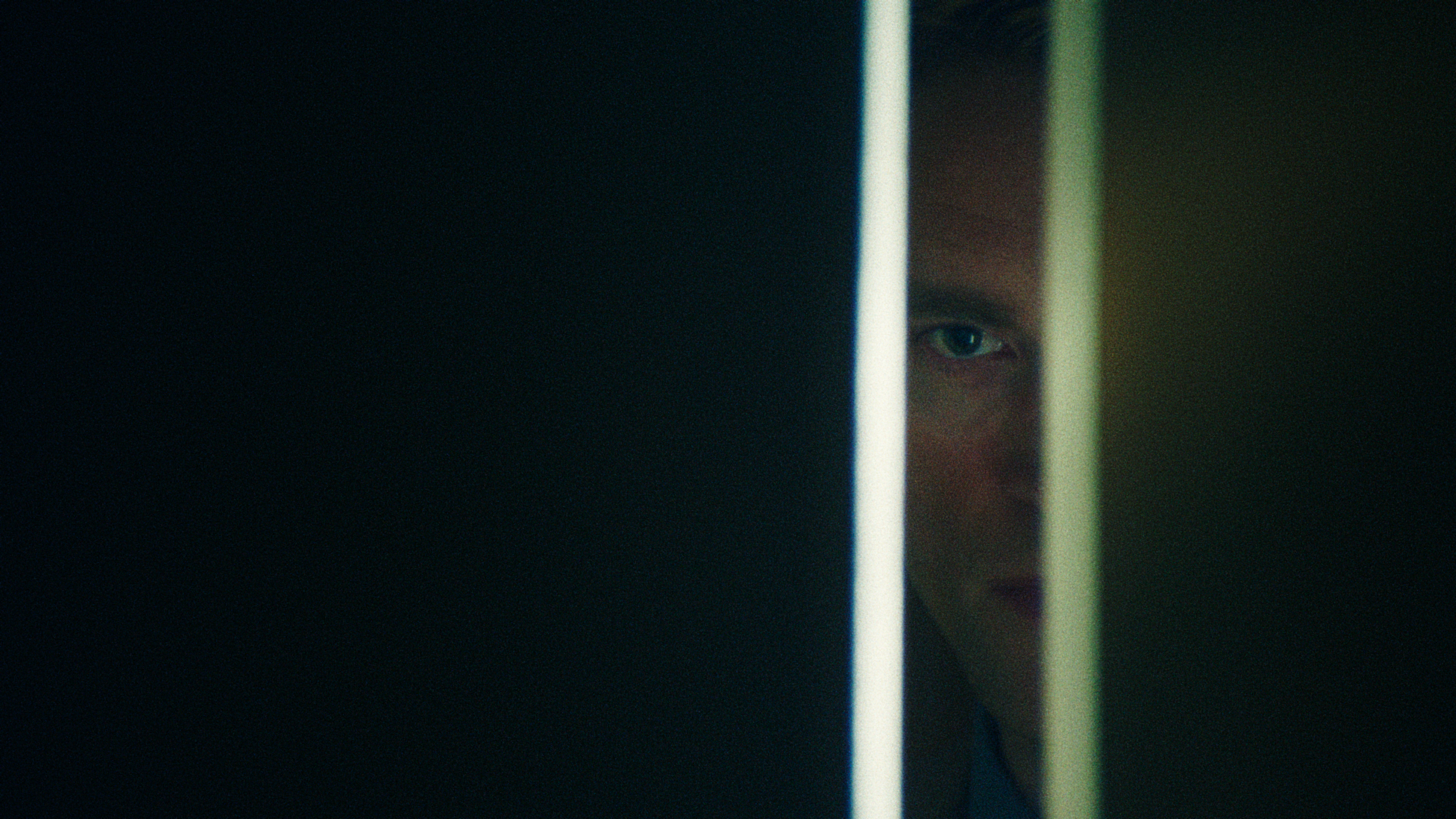
Primetime makes for one of the most fascinating viewing experiences I’ve had in a while, though not for any of the reasons that usually make a screening memorable. There were no obnoxious audience members, no technical problems, no bizarre interruption that suddenly became the story of the evening. The movie itself was the problem—or maybe the provocation.
For roughly the first two-thirds, I thought Lance Oppenheim’s narrative debut was firing on all cylinders. I kept finding myself thinking, “Okay, yes, yes—this completely justifies its existence.” That is not an insignificant accomplishment when the subject is To Catch a Predator, a piece of television history that has already been dissected, memed, repackaged, condemned, and absorbed into the same online ecosystem it helped create.
I thought last year’s Predators was one of the most genuinely thought-provoking documentaries I had seen in some time because it understood that the story was never only about the men caught in those houses. It was about the machinery around them: the language of public service, the seductions of spectacle, the transformation of moral outrage into entertainment, and the strange afterlife of a television program that now lives on through YouTubers and streamers who seem less interested in accountability than in clicks.
For a while, Primetime feels like it might be approaching that same material from another angle. Rather than treating Chris Hansen as either a cartoon villain or an uncomplicated crusader, Oppenheim seems interested in what happens when a person’s work becomes indistinguishable from his entire identity. Hansen is not portrayed as secretly monstrous, but neither is he allowed to remain comfortably heroic. He is a human being with flaws, vanity, blind spots, and a sincere belief that what he is doing matters. That belief gradually takes over his life. The work does not simply consume his time; it begins to provide the terms through which he understands himself.
Robert Pattinson is, surprise surprise, fantastic. He plays Hansen with a peculiar mixture of confidence and fragility, as if every polished television gesture is also an attempt to keep something from breaking through. There is a performance happening inside the performance, and Pattinson understands how funny, unnerving, and occasionally sad that can be. His Hansen is not a punchline, even when the film allows the character’s self-seriousness to become absurd. Pattinson gives him enough conviction that the movie’s questions about his motives never feel purely cynical.
One confrontation makes that fragility unusually visible. Hansen has just learned about the blackmail when he finds himself face to face with a suspected predator. The host who usually controls what is known, what is asked, and when the trap closes is suddenly preoccupied with what other people might know about him. Pattinson lets the practiced authority slip: Hansen is still conducting the interview, but his own vulnerability has entered the room. That reversal gives the scene a second source of tension. A man whose public identity depends on catching others is beginning to understand what it feels like to be “caught” by the media himself. The parallel turns on control of the image. He can continue asking the questions, but he can no longer assume that he will be the one deciding how the story is told.
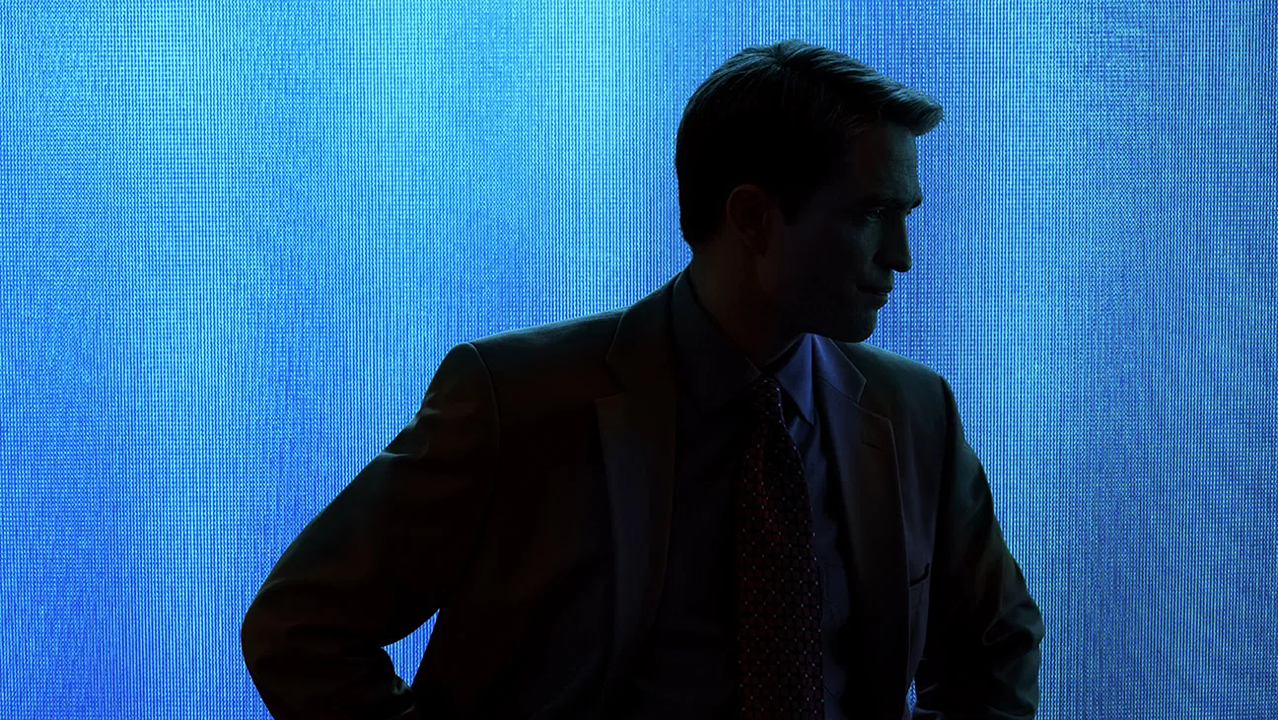
The real revelation for me, though, is Skyler Gisondo. His performance has a gentleness that the movie desperately needs. He brings a kind of open, anxious sincerity to the world of the sting operation, and he makes the distance between pretending to be someone else and actually being placed in danger feel painfully unstable. Gisondo’s face often registers the movie’s moral confusion before the script does. He seems to understand that this is supposed to be television, but that the people involved cannot simply turn the cameras off when the emotional consequences become inconvenient.
That tension is where Oppenheim’s filmmaking is most exciting. The movie is shot and edited with an incredible sense of control. The spaces of the operation feel both banal and faintly unreal, like ordinary rooms that have been converted into stages without anyone fully acknowledging the transformation. The editing keeps cutting between performance and observation, between the people being watched and the people doing the watching, until the distinction begins to feel unstable. Oppenheim understands that every person in this story is performing something: innocence, authority, fear, professionalism, righteousness. Even the camera seems implicated in the act.
From a technical standpoint, Oppenheim absolutely crushed this debut. The film has the visual confidence of something made by a director who already knows exactly how much information to withhold and when to let an image sit long enough to become uncomfortable. It is not merely slick. Its formal choices are tied to the story’s central question: what happens when real danger is organized, framed, edited, and sold as content?
So, does Primetime portray Hansen in a positive or negative light? I don’t think either description is quite right. It portrays him as a person. That may sound obvious, but it is actually the movie’s most generous decision. The film recognizes that someone can care about the work he is doing and still be changed by the attention, money, and identity that work provides. It can acknowledge the original value of what Hansen was trying to do without pretending that the television machine surrounding him was ever morally neutral.
This is why the “pedo defender” criticism aimed at the film feels so fundamentally misguided. Primetime is not defending the men caught in those stings, and it is not asking us to pity them. It is asking what happens when a righteous project becomes inseparable from the entertainment apparatus built around it. Anyone insisting that the movie is secretly sympathetic to predators has either not seen it or has confused curiosity with absolution.
And considering that Chris Hansen still has not seen the movie, his certainty about what it supposedly believes makes him look rather silly. Oppenheim’s film may be critical of Hansen, but it is not contemptuous of him. In fact, I would argue that there is a great deal of respect in the way Oppenheim approaches him. The film takes Hansen seriously enough to make him complicated. It does not reduce him to a monster so that the audience can feel morally superior to him.
Then, within the last ten minutes, something shifted for me. I went from being completely impressed by how much the movie was working on me to wondering what I was actually supposed to take away from it. The ending is not exactly bad, and it is not as if the film suddenly forgets its own concerns. But it arrives at a point where I wanted the movie to push further into the questions it had spent so much time creating.
In a lot of ways, Primetime ends where Predators only begins. That documentary left me with so much more to chew on regarding my feelings about To Catch a Predator, Hansen himself, and the ripple effect the show had on the online personalities who have inherited its basic format. There is an entire essay hiding inside the way YouTubers and streamers have turned this kind of confrontation into a content economy, often with the moral language of public service covering up the obvious pursuit of attention. I could talk about those nimrods all day, but Primetime mostly gestures toward that larger afterlife without fully examining it.
That left me with a strange feeling when the credits rolled. I came away thinking, well, that was crazy that all happened. And I mean that sincerely. The film is beautifully made, deeply watchable, often fascinating, and anchored by two performances that give its moral questions genuine human weight. But I was also hoping for more. Is Oppenheim using the story of Chris Hansen and To Catch a Predator to illustrate a larger idea about television, morality, and spectacle? Or is he using it because the story itself is simply too compelling to resist?
I suspect the answer is closer to the latter. That is not nothing. A movie can be worth watching because it is made with this much intelligence, energy, and formal confidence. But Primetime left me wanting the argument to catch up with the fascination. Its images kept me thinking. Its performances kept me involved. Its final movement left me waiting for the movie to tell me what, exactly, all that fascination was supposed to mean.

Joshua Relyea
Founder and editor of Relyea on Film. Writing about new releases, international cinema, and the films worth returning to.